The Art of Travel· 12 min read·22 October 2024
What's Included in a Luxury Peru Trip: Three Categories Worth Distinguishing
The question is not "what comes standard?" It is: what is the architecture, what transforms the experience, and what is honestly accessory. A travel designer answers these differently than a proposal template.
By Isabela Santos
The question arrives in almost every initial consultation, usually phrased as a variation of the same concern: how do I know what's included is worth it, and what's extra is actually necessary? The framing is reasonable. A luxury itinerary to Peru can quote two days of similar cost in two very different configurations — one with a private guide, a sunrise train arrival, and a private ceremony at a sacred site; another with a shared transfer, an afternoon permit, and a catalogue of "optional enhancements" that, when accumulated, cost more than the gap between them.
The confusion is structural, not informational. Most proposals organise inclusions into two columns: what comes standard, and what costs extra. This binary obscures the more useful question: what is the actual function of each element? Some items are infrastructure — remove them and the itinerary breaks. Others are transformative — include them and the experience becomes something categorically different. Others are genuinely accessory — pleasant, sometimes beautiful, but not consequential for the shape of the trip.
A travel designer working on Peru itineraries for long enough begins to notice the same patterns. Not all optional elements are equal. Not all standard inclusions are meaningful. And the elements that most reliably change a trip rarely appear in the headline inclusions section of a proposal — they appear in footnotes, under "enhancements," sometimes without context.
This guide distinguishes three categories: what is never omitted in a coherent luxury Peru itinerary; what transforms the experience if included; and what is honestly accessory. The distinction is not aesthetic. It is practical. And the method for reading a proposal against these three categories takes approximately five minutes.
What Is Never Omitted — The Silent Architecture
The first category is not glamorous. No proposal leads with it. But remove any of these elements and the itinerary becomes difficult to execute, uncomfortable to experience, or incoherent in its own logic.
Private ground transportation throughout. Not because shared transfers are unacceptable, but because a luxury itinerary in Peru involves early departures, flexible timing, and routes where the forty-five minutes before a site opens is the operative margin. A private vehicle is not a status marker — it is the mechanism that makes the rest of the schedule work. The guide who stays with the guest from lodge to archaeological site, rather than meeting them at a bus stop, is made possible by the private vehicle. The two are inseparable.
Accommodation selected against specific criteria. In luxury Peru travel, the word "hotel" covers a range from converted colonial mansions in Cusco's San Blas to lodges accessible only by river in the Peruvian Amazon. A proposal that names star ratings without explaining selection logic is not bespoke — it is a booking service. Why this lodge and not the one on the opposite bank? Why this Cusco property and not the one three blocks closer to the plaza? The selection logic is part of what a traveller is engaging. Its absence from a proposal is informative.
A private guide with cultural specialisation. Peru's major archaeological sites require licensed guides. But the DIRCETUR licence is a minimum condition, not a selection criterion. A guide who understands highland Quechua cosmology and its relationship to site orientation interprets Sacsayhuamán differently than one who has memorised construction dates. The specialisation is not a luxury upgrade — it is the difference between visiting a place and understanding why it was built, who built it, and what it still means to the communities whose ancestors are inside the stone.
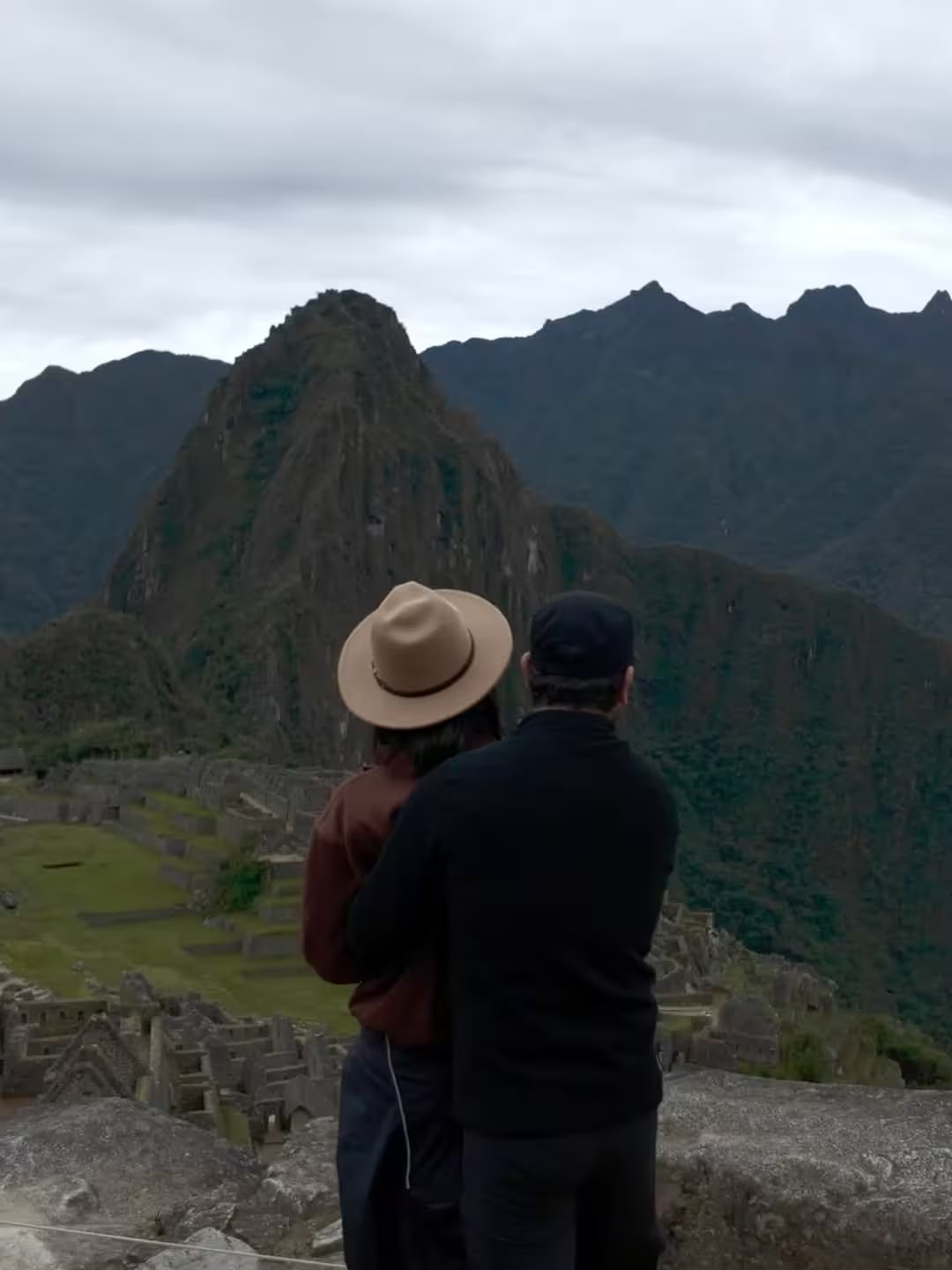
Dedicated time at sites before or after peak hours, where operationally achievable. Machu Picchu's DGAC regulations set strict entry times and mandatory circuits. Early access to the site is not a separate product — it is a function of logistics: overnight in Aguas Calientes, first bus at 5:30 a.m., Circuit 4 entry at 6:10 a.m. before the first group shuttles arrive. A guide who coordinates this configuration is delivering something that never appears as a line item. The same logic applies to the Nazca Lines at dawn from a small aircraft, or the Colca Canyon before the tour groups from Arequipa complete the three-hour drive.
Coordination of all logistics with contingency protocols. This includes train reservations, Machu Picchu entry permits linked to passport numbers — a DGAC requirement since 2024 — acclimatisation schedules, and alternative plans for weather, permit changes, and site closures. The effort is invisible when it works. When it fails, it is the most consequential omission in the itinerary. The presence of contingency language in a proposal is one of the most reliable proxies for operational depth.
None of these appear in a proposal's highlights section. They appear — or don't — in the operational pages that most travellers skim. Reading them carefully is the most reliable way to distinguish a luxury operator from an aggregator with luxury prices.
What Transforms the Trip If Included — Optional but Game-Changing
The second category contains elements that, when present, shift the quality of experience not incrementally but categorically. A traveller who has experienced these understands the difference immediately. One who hasn't sometimes doesn't know what was missing until they travel again.
Overnight in Aguas Calientes — specifically, proximity to the site. The case for this was made in detail in How to Reach Machu Picchu in 2026: The Five Decisions That Define the Experience. The summary: Machu Picchu at 6:10 a.m., before the first tour group shuttles arrive, is a different site from the one a day-tripper encounters at 9:30 a.m. Belmond Sanctuary Lodge — the only accommodation inside the archaeological complex — makes this configuration structurally possible, not because of the hotel itself but because of the geographic position. The distance from room to gate is measured in steps, not shuttle minutes. This is not a room upgrade. It is a different experience of the same place.
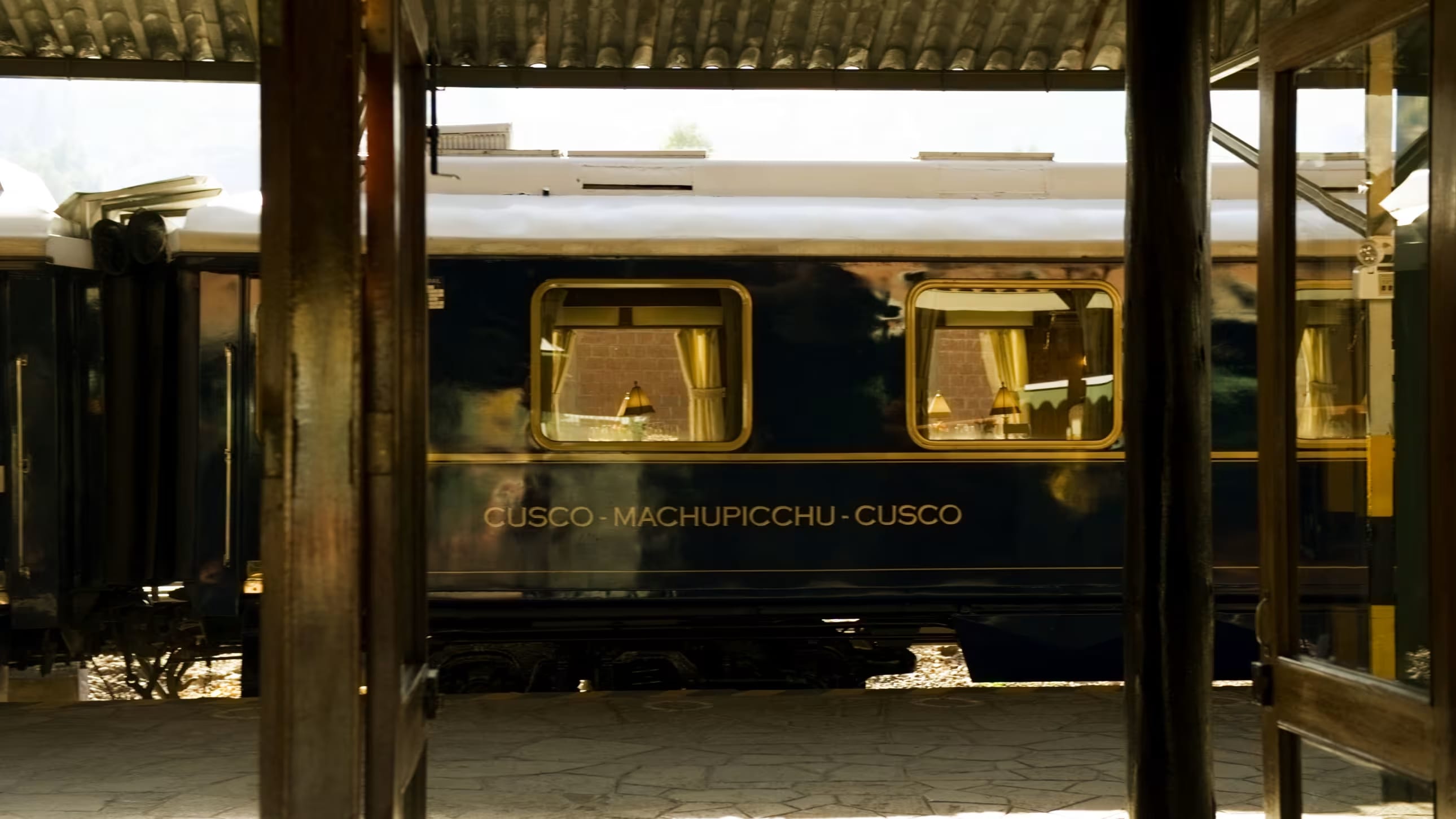
The Belmond Hiram Bingham — bar car, dining car, departure from Poroy or Ollantaytambo. For travellers who have already allocated the time for an overnight in Aguas Calientes, how to arrive becomes a separate design decision. The Hiram Bingham is not a faster train — the Vistadome offers comparable views at a fraction of the cost. It is a particular kind of arrival: a five-hour experience that begins before the site, with pisco sours in the bar car and a three-course lunch with Andean ingredients while the canyon tightens around the tracks below Ollantaytambo. Some itineraries are improved by efficiency. Others are improved by ceremony. The traveller who boards knowing they are bound for Machu Picchu has already begun the experience. As detailed in the transportation guide, this is a structural design decision with consequences for the rest of the day — not an interchangeable upgrade.
A private Andean ceremony with an accredited practitioner. The despacho — an offering ceremony rooted in Andean cosmology — is one of the few experiences in a luxury Peru itinerary that does not photograph well and cannot be explained adequately in a brochure paragraph. It requires an accredited Q'ero paqo, a site selected for its meaning within the Andean sacred geography (not a hotel rooftop arranged for aesthetics), and sufficient time for the ritual to unfold without a departure time pressing on it. When coordinated correctly — and the coordination is not simple — it is consistently the element guests mention in conversations months after return, often unprompted. For context on the cosmological framework underlying the ceremony, Cusco Unfolded's piece on Andean sacred geography and huaca provides background that no briefing document fully replaces.
A dinner reservation at MIL Centro. This is a genuine transformation only when the itinerary creates the conditions for it: unhurried arrival, no 5:00 a.m. departure the following morning, a guest who has read enough to understand what Virgilio Martínez's work represents in the context of high-altitude Andean cuisine and biodiversity research. A tasting menu at MIL without that context is still a remarkable meal. With it, the dinner becomes the most articulate moment of cultural immersion in a food-forward itinerary — a place where the same altitude that tests the body at arrival is being converted into an ingredient.
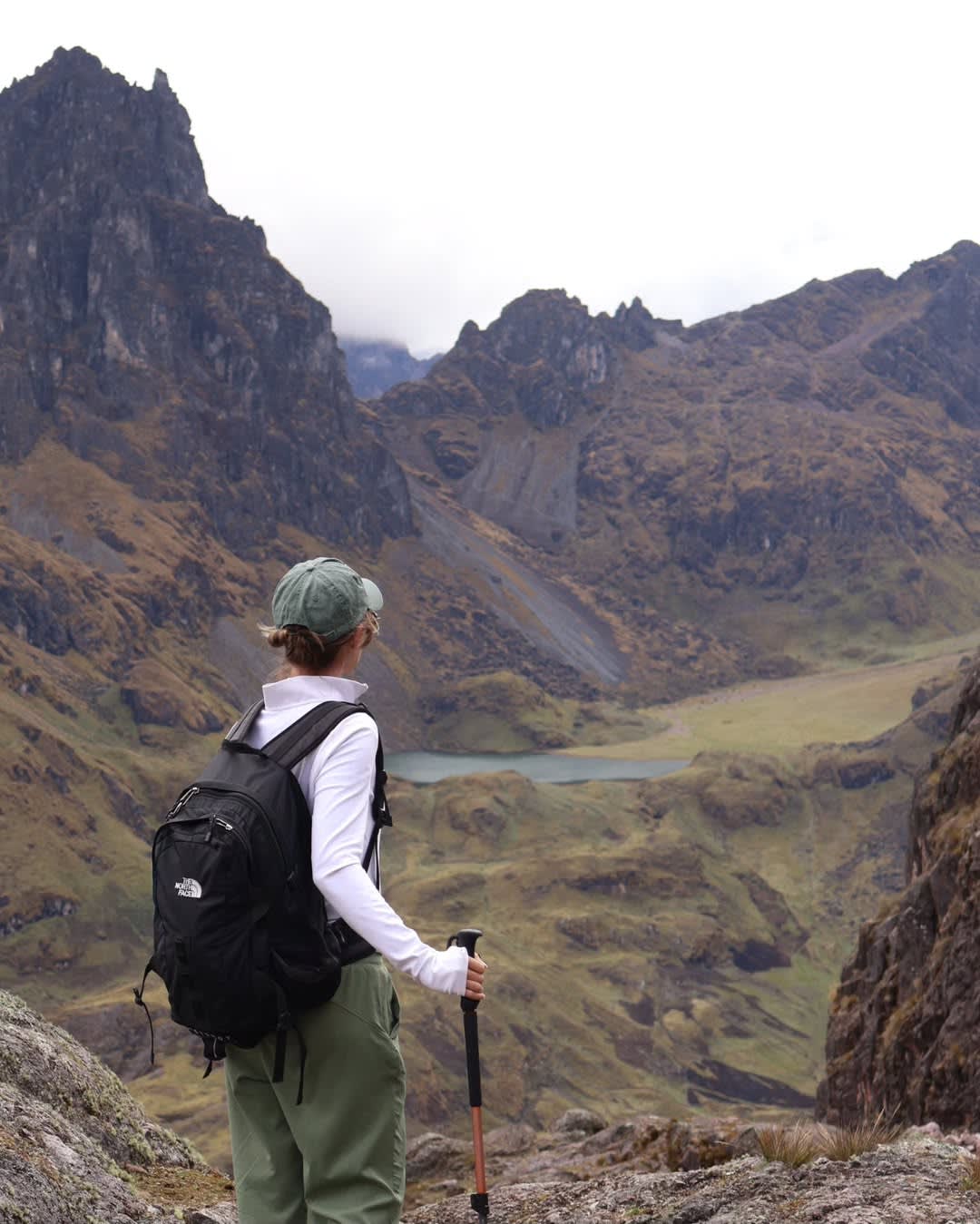
A multi-day trekking alternative to the train. The Salkantay, Lares, and Short Inca Trail routes are not upgrades to the standard Machu Picchu approach — they are structural alternatives that reshape the preceding three to five days of an itinerary. As covered in the transportation framework, the decision has downstream consequences: gear logistics, accommodation at intermediate camps, altitude progression, and permit acquisition windows distinct from the day-visit permit. For guests whose travel identity is active, the arrival at the Sun Gate on foot carries a weight that no train approach replicates. The tears are not performative. They are the result of accumulated days in the landscape.
A fly-in to a specific Amazon lodge. The Amazon section of a luxury Peru itinerary is where the gap between a general package and a designed one is most visible. The difference between a lodge accessible by sixty-minute motorised boat from Iquitos and a fly-in concession on a blackwater tributary within a private reserve is not primarily about comfort — it is about biodiversity, solitude, and what is actually visible from the canopy walkway at dawn. A designer who has spent nights at multiple lodges in different river systems can specify which configuration serves which kind of traveller. This is pattern recognition from field experience, not brochure reading.
What Is Genuinely Accessory — Editorial Honesty
This is the section most operators avoid writing. Naming something as accessory implies the itinerary functions without it — which is true for most elements in this category. Making that admission is more useful to a traveller than omitting it.
Room category upgrades within the same property. In most luxury hotels operating at Peru's level — Inkaterra, Belmond, Explora — the standard room and the suite share a kitchen, a guide programme, an excursion menu, and a breakfast that are identical. The suite offers more floor space, a better view in some configurations, and a slightly different arrival sequence. For a traveller spending two nights before a 4:00 a.m. departure to Ollantaytambo, the marginal return on a suite upgrade is low. For a traveller treating the property as a destination — recovering from a transatlantic flight, celebrating an anniversary, or extending a stay to two additional nights — the same upgrade becomes genuinely relevant. The point is not that upgrades are unnecessary. It is that their value is entirely context-dependent, and a designer who includes them without that context is padding a proposal.
Spa and wellness treatments. Peru's luxury lodges offer exceptional spa programmes, many integrating highland botanicals and Andean therapeutic traditions that are locally specific and well-constructed. These are worth including when the traveller's pace creates space for them — not when they appear as a line item on an itinerary already scheduled from 7:00 a.m. A spa treatment inserted on the afternoon before an early Inca Trail departure, or between a cooking class and a dinner reservation, is not a luxury element. It is noise in the schedule. The treatment itself may be excellent. The timing converts it into an obligation.
Private helicopter transfers for symbolic legs. Helicopter transfers are operationally useful for specific routes — principally in the Amazon basin, where the alternative to a flight is a multi-day river journey, and the choice is genuinely one of time versus experience. Between Cusco and Machu Picchu, there is no helicopter service to the site or its surrounds; any proposal offering direct helicopter access to Machu Picchu should be read as a factual error with implications for the operator's accuracy elsewhere. Between Lima and Paracas, the option exists but adds total journey time when helipad access and boarding logistics are factored in against a private road transfer. The cost-to-time ratio requires scrutiny, not assumption.
Daily bottled mineral water placed in hotel rooms. This appears as a listed "included amenity" in proposals from operators attempting to appear comprehensive. It is a hotel standard present at every property in this tier. Naming it as a curated inclusion is an aesthetic choice about the proposal document, not a meaningful distinction between operators.
The purpose of this section is not to dismiss inclusions. It is to prevent a traveller from evaluating a proposal by counting amenities rather than assessing architecture.
What Is Not Included and No One Warns You
Three categories of cost consistently fall outside luxury proposal totals in ways that surprise travellers who did not ask specifically.
Tips. Peru's guiding and hospitality culture operates with a tipping structure that is not always visible until the final day. The amounts are contextual — they vary by itinerary length, guide seniority, lodge staff size, and personal discretion — but across a ten-day journey with daily guide service, lodge staff, and porter crews on a multi-day trek, the cumulative sum is meaningful. Asking for a written tipping guideline at the proposal stage is reasonable and will be provided by any operator accustomed to managing the expectation.
Travel insurance. Comprehensive coverage that includes emergency medical evacuation for high-altitude and remote Amazon segments is not optional for a coherent Peru itinerary. The absence of an insurance recommendation from a proposal is not neutral — it is a signal about how the operator approaches risk disclosure. The cost varies by traveller origin, age, duration, and coverage tier, but it is never zero and should be planned for explicitly rather than discovered on the eve of departure.
Premium beverage upgrades at restaurants and lodges. Most lodge packages include non-alcoholic beverages and a house wine selection at dinner. Fine wine pairings, premium pisco selections, and imported spirits are quoted separately at every property in this tier. A traveller who intends to match a wine to each course at a high-altitude tasting menu should budget for this from the outset rather than encounter it as a line item at checkout.
These are not concealed fees. They are structural omissions from most proposals because operators define "included" as what they control directly. The distinction affects total trip budget in a way that matters before a commitment is made.
How to Read a Bespoke Proposal in Five Minutes
A proposal is a document, and documents have structure. The structure reflects what the operator considers worth explaining — and what they consider self-evident or incidental. Reading the document against its own structure, rather than line by line, takes approximately five minutes and produces a clearer evaluation than a thorough reading that never reaches the operational sections.
Start at the guide section. If the proposal allocates two sentences to describe the included guide as "expert, English-speaking, DIRCETUR-licensed," pause and ask for more. A bespoke proposal for a luxury Peru itinerary should be able to specify the guide's cultural specialisation — archaeology, ornithology, textile traditions, Andean cosmology — the language level beyond "fluent," and the sites they know best. If the operator cannot answer this question directly, the guide assignment is not curated. It is whoever is available on the requested dates.
Read the Machu Picchu logistics section with attention to passport numbers. Since the DGAC 2024 reforms, entry permits are linked to passport numbers and are non-transferable. A proposal that does not address how and when passport information will be collected, and what the contingency is for permit changes or lottery failures in peak season, is not accounting for operational reality. This is not a bureaucratic detail. It is the mechanism that determines whether the visit happens on the planned date.
Check for contingency language. A proposal for the Inca Trail or any Andean trek should specify what happens if the permit is unavailable for the requested dates, if weather prevents scheduled departures, or if a traveller's acclimatisation requires a modified schedule. The presence of contingency language is a proxy for operational depth. Its absence is informative.
Note what is described versus what is listed. A proposal that explains why a specific lodge was selected — its position within the reserve, the guide programme, the arrival logistics from the nearest airstrip — is a different document than one that lists the lodge name with a star rating. The description is the designer's work. The listing is a catalogue entry. A bespoke itinerary should contain the former.
Count the buffer days. A ten-day Peru itinerary with no unscheduled time — every transfer time-critical, every day fully committed — is not a luxury itinerary. It is a logistics exercise in which anything that goes slightly differently than planned cascades. Luxury includes space. The space is not unoccupied; it is the margin that makes the rest of the schedule feel chosen rather than enforced.
What Kada Coordinates
The elements in the first and second categories above — the ones that rarely appear in headline inclusions — are where most of the coordination work in a Kada itinerary happens.
Machu Picchu entry is coordinated with passport details collected at the design stage, permits reserved four to six months in advance for high-season travel, circuit selection made against the traveller's physical profile and site priorities, and a contingency protocol for weather cancellations, DGAC updates, and permit-change windows. The design decision about which circuit and which time block is made during the initial itinerary build — not left for the traveller to navigate on the official website the week before departure.
The Andean ceremony, when included, is arranged with an accredited practitioner at a site selected for its coherence with the rest of the itinerary — not as a hotel add-on available on request. The briefing that precedes the ceremony is part of the coordination.
The guide assignment is made against the traveller profile developed in the initial consultation. A guest with a sustained interest in Andean textile traditions is not assigned the same guide as one whose primary focus is ornithology in the Amazon basin or architectural history in Arequipa's colonial core. This is pattern-matching between what the guest has communicated and what the designer has accumulated from direct field experience across itineraries.
This is what "coordinated" means at the design level. It is not a synonym for "booked."
Perspective — Isabela Santos, Senior Travel Designer
I have built enough luxury Peru itineraries to have made most of the avoidable mistakes at least once: the over-scheduled first afternoon in Cusco, the spa treatment inserted the evening before an Inca Trail departure, the suite upgrade on a two-night stop that would have been better applied to an extra night at a river lodge in the Peruvian Amazon.
The three-category framework in this guide is what I use internally when reviewing a first itinerary draft. It is not a checklist. It is a way of asking: does the architecture hold? Remove the elements in category one and see if the itinerary still functions as designed. Add the elements in category two and see if the experience changes categorically, not just incrementally. For the elements in category three, ask whether including them serves the specific traveller in front of you, or whether they are filling space and reading well in the proposal document.
The most useful question a traveller can ask at the proposal stage is not "what's included?" It is: "what would you remove, and why would the itinerary survive?" The answer to that question tells you more about the designer's thinking than the full list of inclusions does.
— Isabela Santos, Senior Travel Designer, KADA Travel
A Practical Note
Three items consistently fall outside luxury proposal totals and should be planned for at the outset.
Tips. A realistic estimate for a ten-day itinerary with daily guide service, lodge staff, and porter crews on a multi-day trek runs in the range of USD 200–400 per person, depending on itinerary structure and personal discretion. Ask for a written guideline at the proposal stage.
Travel insurance. Comprehensive coverage including emergency medical evacuation for high-altitude and remote Amazon segments is not optional for a coherent Peru itinerary. Costs vary by traveller origin, age, trip length, and coverage tier.
Premium beverages. Lodge packages include standard beverage service and house wine at dinner. Fine wine pairings and premium pisco at high-altitude restaurants are quoted separately at each property. Budget for this explicitly if it is part of how you travel.
These are not concealed costs. They are structural omissions from most proposals. Asking for written guidance on each at the proposal stage is straightforward and recommended.
Frequently Asked Questions
Is the Belmond Sanctuary Lodge the only way to access Machu Picchu early in the morning? No — but it is the most reliable configuration. The first bus from Aguas Calientes departs at 5:30 a.m. and is available to any overnight guest in the town. Belmond Sanctuary Lodge, located inside the archaeological complex gates, offers the additional margin of walking to the entrance rather than waiting for the shuttle. What unlocks early access is the overnight in Aguas Calientes itself, not any specific property. The Sanctuary Lodge's geographic position makes the configuration structurally simpler.
Can the despacho ceremony be arranged at Machu Picchu itself? The ceremony is most commonly conducted in the Sacred Valley or in Cusco's surrounding highlands — at sites with cosmological significance within the Andean sacred geography rather than within the DGAC-managed archaeological perimeter. Arranging it within the Machu Picchu sanctuary zone is not standard practice. A ceremony in a site selected for its meaning — rather than its proximity to the headline attraction — is generally the more coherent choice.
How far in advance should a luxury Peru itinerary be built to access the elements in category two? For high-season travel — May through October — that includes Machu Picchu with circuit selection and an overnight in Aguas Calientes: four to six months minimum. Belmond Sanctuary Lodge availability at peak dates compresses in parallel with DGAC permit windows. MIL Centro reservations open thirty days in advance through the restaurant's own system. The Amazon fly-in lodges often have advance booking requirements of their own. The realistic planning window for a fully designed itinerary in peak season is four to six months, with eight months providing cleaner options.
Is MIL Centro suitable for every traveller on a luxury Peru itinerary? No. A tasting menu at altitude — MIL sits at approximately 3,500 metres, above Cusco — requires that the traveller has acclimatised sufficiently for a multi-hour seated meal, and that the evening is not preceded by a physically demanding day or followed by a 4:00 a.m. departure. For food-focused travellers who have built the itinerary around gastronomy, it is the centrepiece of the journey. For travellers whose primary interest is archaeology or adventure, it may fit less naturally into the design.
What is the most common optional element that, in practice, adds the least value? Based on pattern recognition across hundreds of itineraries: same-property room upgrades on high-velocity stops — two nights or fewer — where the guest arrives after dark and departs before 7:00 a.m. The upgrade is real. The structural opportunity to experience it is absent.
Written by Isabela Santos
Design Your Journey
Design your bespoke Peru journey
We talk. We listen. Then we design an itinerary that belongs only to you.
Start Planning